
If your family is growing, then your estate planning needs to grow with you.
Welcoming a new member into your family is an exciting time, and it is important to make sure that you and your family will be looked after.
Here are some things that expectant or new parents should think about with their estate planning:
Wills
Statistics indicate that around 60% of Australians (around 12 million people) don’t have a Will.
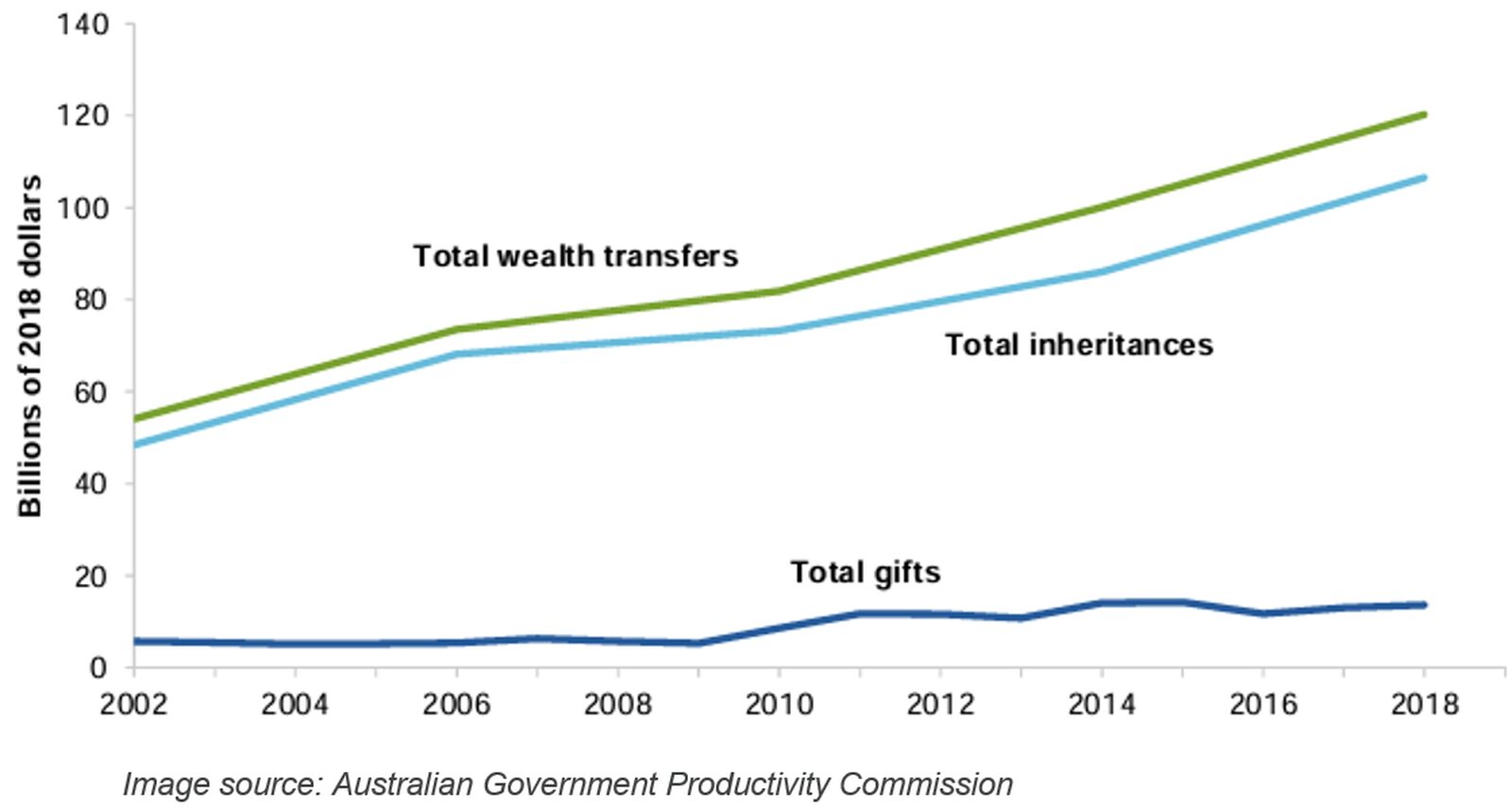
In 2018 alone over $100 billion was transferred by inheritance and gifts in Australia.
Having a Will in place can set up who receives and controls your estate, when your beneficiaries receive their inheritance, how they receive their inheritance, and, very importantly, who would act as a guardian for your children.
Who?
Your unique situation will determine who you want your estate to pass to and any gifts that you may wish to make. You may wish to leave a specific gift to a friend or a charity or exclude certain people.
If you do not have a Will, your estate will pass in accordance with South Australia’s intestacy laws, click here for further information on what happens if you die without a will.
Your Will also determines who manages your estate after you pass and who is responsible for looking after the inheritances of any underage beneficiaries (until they reach the required age).
Choosing the right person for this role is extremely important and requires careful consideration.
When?
Through your Will, you can direct at what age your beneficiaries can control their inheritance from your estate.
If no age is specified, a beneficiary will inherit at 18.
It is important to consider if this age is appropriate for your circumstances, as it could potentially be up to an 18-year-old as to whether they invest their inheritance with the guidance of a reputable financial advisor or buy a brand-new red Ferrari.
Specifying an age for control of an inheritance does not prevent the funds being used for the beneficiary’s education, maintenance and advancement in life before they reach the specified age.
How?
Estate planning enables you to pass on your estate to your beneficiaries in a way that can be tax effective, offer asset protection and provide longevity for generations.
Depending on your situation, it may be worthwhile to write discretionary testamentary trusts into your Will to come into effect on your death, whether for spouses, partners, children or other beneficiaries. Such trusts can provide your beneficiaries with a long-term vehicle for tax mitigation, potentially with asset protection in the event of divorce or debt and can benefit more than a single generation of your family.
You can also determine who manages these funds – whether trusted family members, friends or professionals.
Guardians
Who do you want to raise your child if you and your partner are not able to?
This question is often, and very fairly, of great concern to most new parents. Through your Will you can nominate a guardian or guardians to raise your children if you are unable to.
Without nominating a guardian, it will be up to the Court to decide who raises your child. The opinion of the Court may not be yours and could involve disputes that take months to determine.
1. Enduring Power of Attorney
While your Will deals with your estate after you die, you should also consider who would manage your financial affairs if you were alive but unable to due to mental or physical incapacity.
This is where an Enduring Power of Attorney is essential.
An Enduring Power of Attorney or “EPA” allows you to appoint a single person or multiple people to make legal and financial decisions on your behalf – without the need for delay and tribunal involvement.
For any parent, it can be critical to have this in place to ensure that funds can be accessed for your children and day-to-day financial matters attended to if you are unable to.
Depending on your situation, a partner or spouse may be the best first option, but having a backup is important in case they are unable to act.
2. Superannuation & Life Insurance
For most Australian’s their superannuation is one of their most valuable assets.

It is important to be aware that your superannuation is not automatically distributed through your Will. Each superannuation fund has its own requirements for recording your wishes.
It is vital to make sure that your superannuation is set up to be distributed in accordance with your wishes. How you set up your superannuation will depend on your individual circumstances and the relevant tax implications.
For example, if you’re setting up discretionary testamentary trusts for your children in your Will, you may want the funds from your superannuation to pass into the estate, into the trusts and be subject to the trusts benefits and protections.
Likewise, if you have any life insurance in place you should check the policies and who the beneficiaries are. If you took the policy out when you had your first child, have you added any subsequent children to it?
As your family grows and changes, so should your estate planning.
While you want to be around to see your children grow into adults, this may not always be possible and having plans in place can make a huge difference, emotionally and financially, to their futures.
If you have no idea where to start, already have some plans in place or just want to have general review of your estate planning, now is a great time to contact a lawyer who specialises in Wills & Estate Planning.
If you want to have a chat about your specific situation, please contact Mellor Olsson via 8414 3400 or [email protected].