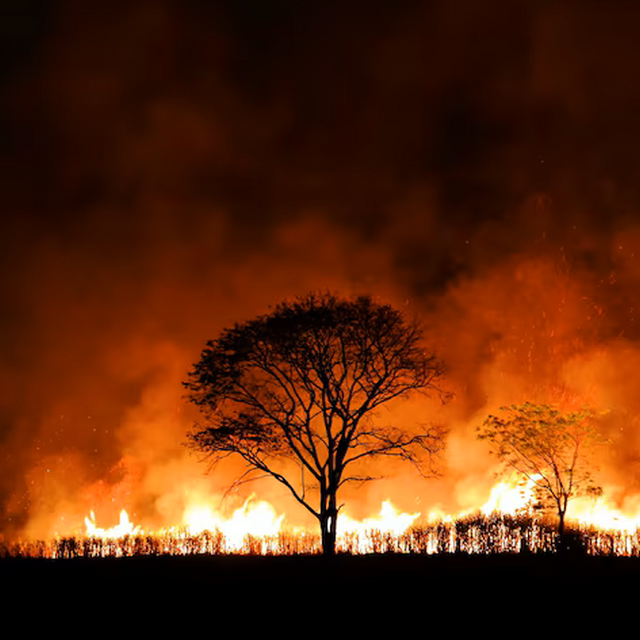
With summer underway and longer daylight hours, fire risk is once again front of mind across rural South Australia. For primary producers- particularly those in high-risk regions- the start of Fire Danger Season is not just a reminder to prepare the property; it’s a reminder of the legal and business obligations that come with operating in an increasingly volatile climate.
The Fire Danger Season in South Australia runs from mid-October through April, with specific district start dates ranging from October 15 in Eastern and Western Eyre Peninsula to December 1 in Adelaide Metropolitan and Mount Lofty Ranges.
Fire preparedness is not simply a matter of good practice. For farmers and agribusiness operators, it is an essential component of business management. A failure to comply with fire safety requirements can expose landholders to significant penalties, liability risks and insurance issues- all of which can deliver consequences long after the fire danger period has passed.
Producers should be reviewing the relevant CFS Codes of Practice, many of which are developed in collaboration with Grain Producers SA, Primary Producers SA and the State Government. These codes set out minimum safety and operational requirements. One key example is the Grain Harvesting Code of Practice, which requires harvesting to cease when the Grassland Fire Danger Index (GFDI) exceeds 35. Ignoring this requirement can lead to penalties of up to $5,000, or even one year of imprisonment if a police direction is disregarded.
Beyond fines, there are broader legal and financial risks. If a fire originates on your property and spreads, causing loss or damage to neighbouring land, you may face civil claims for negligence- especially if you have not taken reasonable steps or have failed to follow the applicable codes. The risk is even greater where contractors or employees are involved. Landholders have workplace safety obligations to ensure workers are protected from foreseeable hazards, including machinery-related fire risks.
Insurance is another key consideration. Many agribusiness policies require landholders to take reasonable precautions to minimise fire risk. A failure to comply with CFS obligations or industry codes may put the viability of future insurance claims at risk.
Fire preparedness, then, is far more than clearing leaf litter or checking pumps. It is a core legal responsibility for anyone managing land in South Australia. Understanding your obligations- and ensuring they are woven into everyday farm operations- can protect not only your property and livelihood, but also your legal and financial standing in the event the unthinkable occurs.